


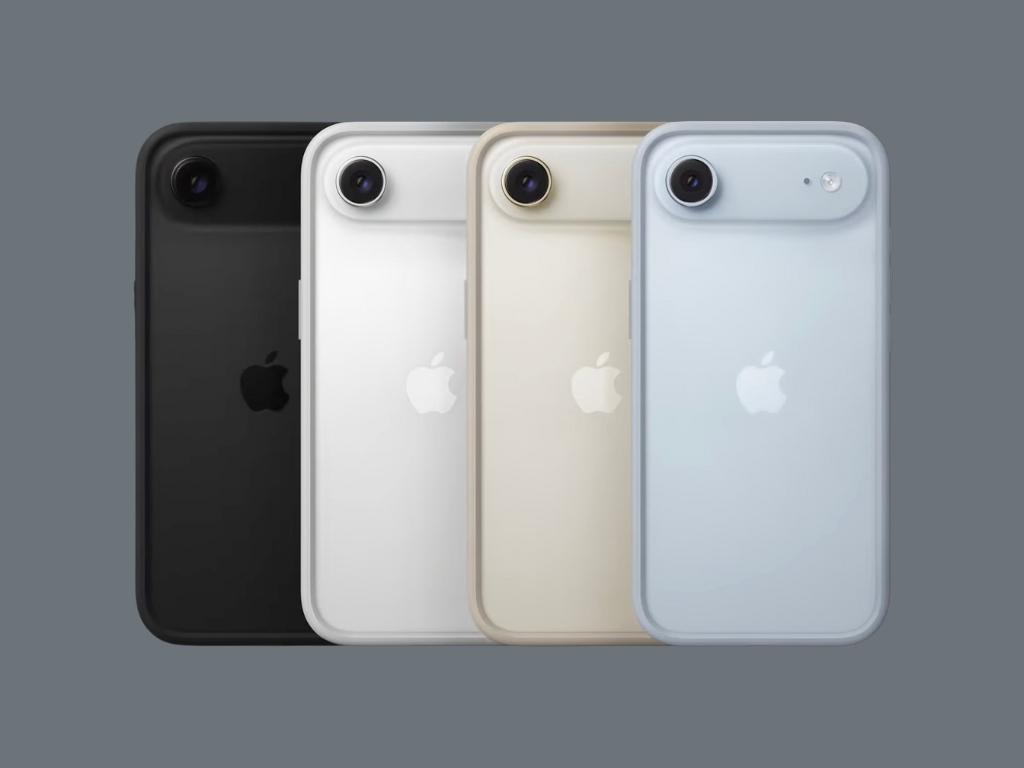
When Apple first launched the MacBook Air, it redefined what consumers expected from ultra-thin laptops. Today, Apple is attempting a similar revolution in the smartphone world with the launch of the iPhone Air. Dubbed by many as the “MacBook Air of iPhones,” this sleek device is Apple’s boldest move yet in combining power, elegance, and practicality in an ultra-thin form factor.
The iPhone Air is more than just another addition to the iPhone lineup—it represents a design philosophy shift. As the smartphone market enters the age of slim and lightweight devices, Apple’s decision to release such a phone validates this growing trend. And, just like the MacBook Air a decade ago, the iPhone Air is poised to become an iconic product that redefines expectations.
In this detailed iPhone Air review, we will explore its design, performance, display quality, durability, battery life, and camera capabilities. We will also look at who this phone is best suited for, how it compares to other iPhones, and whether it is worth upgrading to.
Design and Build: The Slimmest iPhone Ever
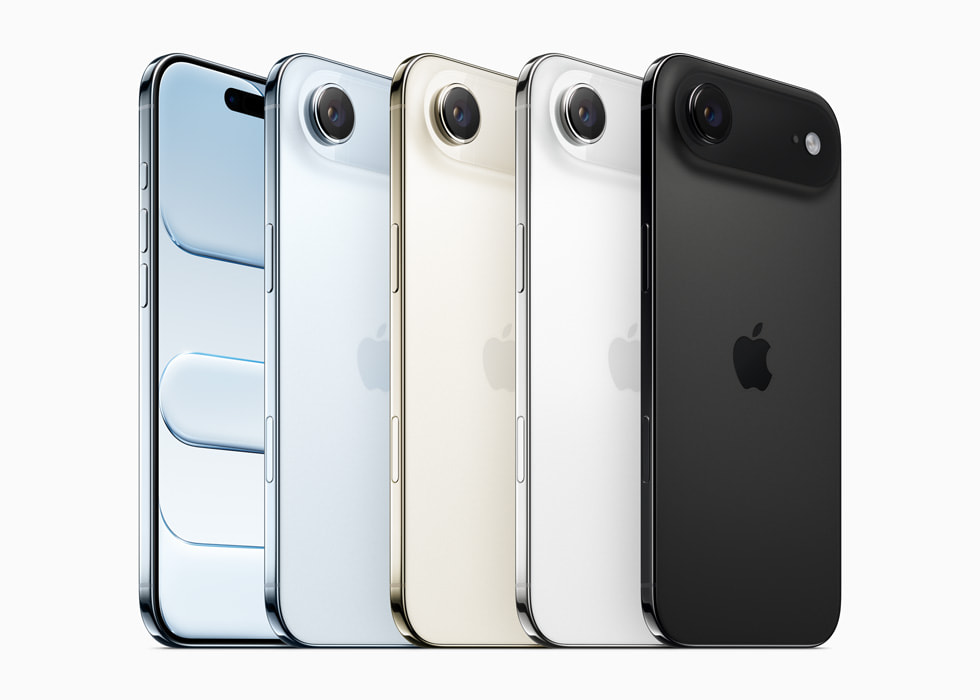
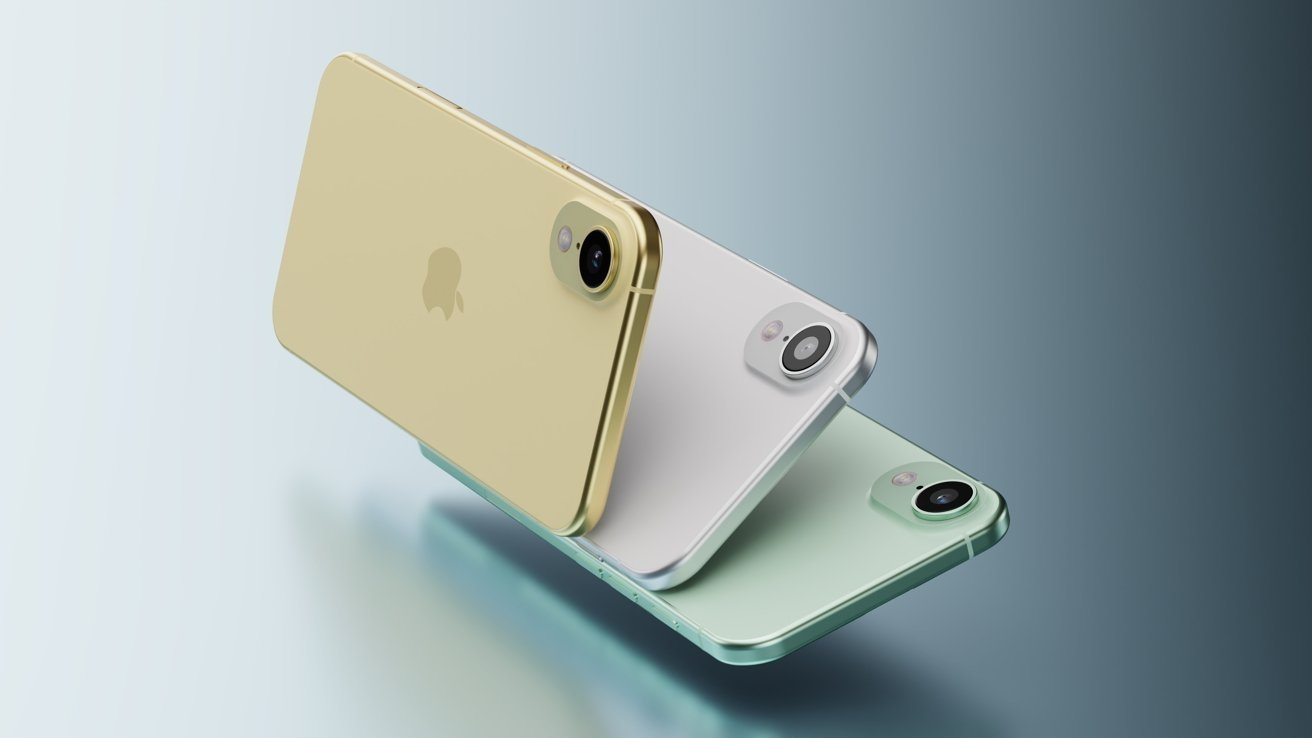
The standout feature of the iPhone Air is, without a doubt, its design. Apple has managed to create the slimmest iPhone to date, while still retaining durability and strength. The metallic sides and ceramic-like back flow seamlessly into the slightly raised camera plateau, which doubles as a housing for both the camera and processor.
By leveraging this raised section, Apple was able to carve out extra space inside the phone for a larger battery, without compromising on the phone’s slim profile. The iPhone Air is also Apple’s first eSIM-only phone, completely eliminating the physical SIM slot. This design change has helped shave off precious millimeters, making it feel impossibly thin in the hand.
The phone’s 6.5-inch Super Retina XDR display adds to its premium feel. Protected by Ceramic Shield 2, it offers greater durability against scratches and drops. Interestingly, the screen is slightly larger than the iPhone 17, giving it a noticeable edge for those who prefer immersive displays.
Durability: Will the iPhone Air Bend?
Whenever a thin phone launches, one of the biggest concerns is durability. Can such a slim device withstand daily wear and tear, or will it bend under pressure?
Apple has addressed these fears directly. In durability demos, the iPhone Air showed impressive resistance to bending. In fact, during tests where pressure was applied, the phone briefly curved and then returned to its original form without damage. This resilience sets it apart from early ultra-thin competitors that earned a reputation for fragility.
For everyday usage—slipping into pockets, accidental drops, or even sitting on the phone—the iPhone Air seems to hold up well. Apple has invested heavily in making sure that the slim design doesn’t come at the cost of strength.
Display: Immersive and Smooth
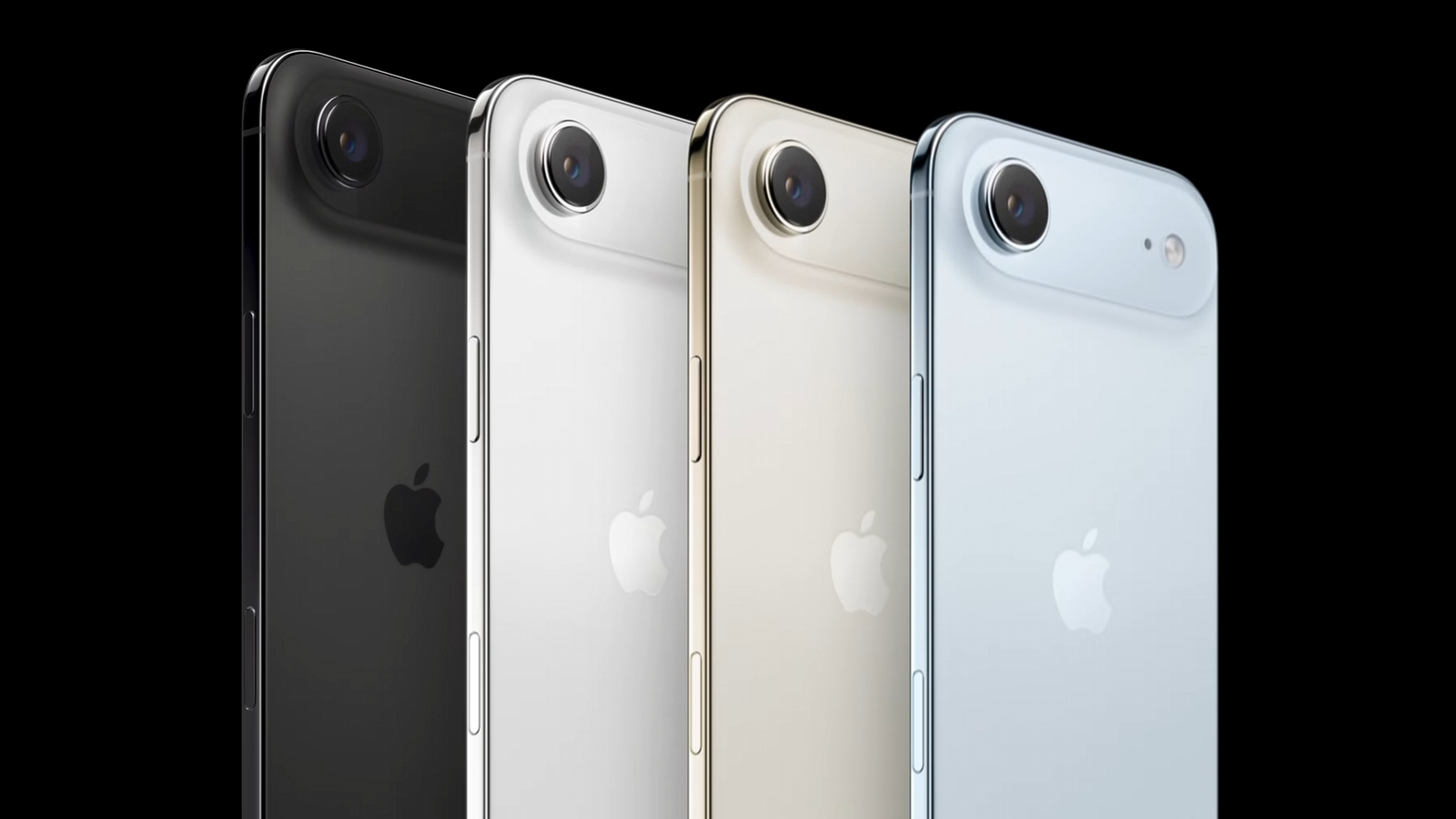
The 6.5-inch Super Retina XDR panel is one of the highlights of the iPhone Air. Borrowing technology from Apple’s Pro models, the display offers exceptional brightness, sharpness, and color accuracy. Whether you’re streaming movies, editing photos, or gaming, the visuals are stunning.
The addition of Ceramic Shield 2 makes this display more durable, protecting against cracks and scratches. Apple has long been a leader in display innovation, and with the iPhone Air, it continues that tradition by balancing slim design with uncompromised screen quality.
Performance: Powered by the A19 Pro Chip
Inside the sleek body of the iPhone Air lies Apple’s A19 Pro chip—the same cutting-edge silicon used in the higher-end Pro models. This makes the iPhone Air not just thin but also one of the most powerful smartphones currently available.
With the A19 Pro, the phone is future-ready. It can handle demanding tasks such as running local LLMs (large language models), powering Apple Intelligence features like live translation, and delivering console-level gaming performance. Despite its slim build, the phone remains cool even under heavy loads, making it ideal for both work and play.
Gamers in particular will appreciate how comfortably the phone fits in the hand, thanks to its thin and lightweight design. Combined with its raw power, the iPhone Air doubles as an excellent portable gaming device.
Camera: A Powerful Yet Minimalist Setup
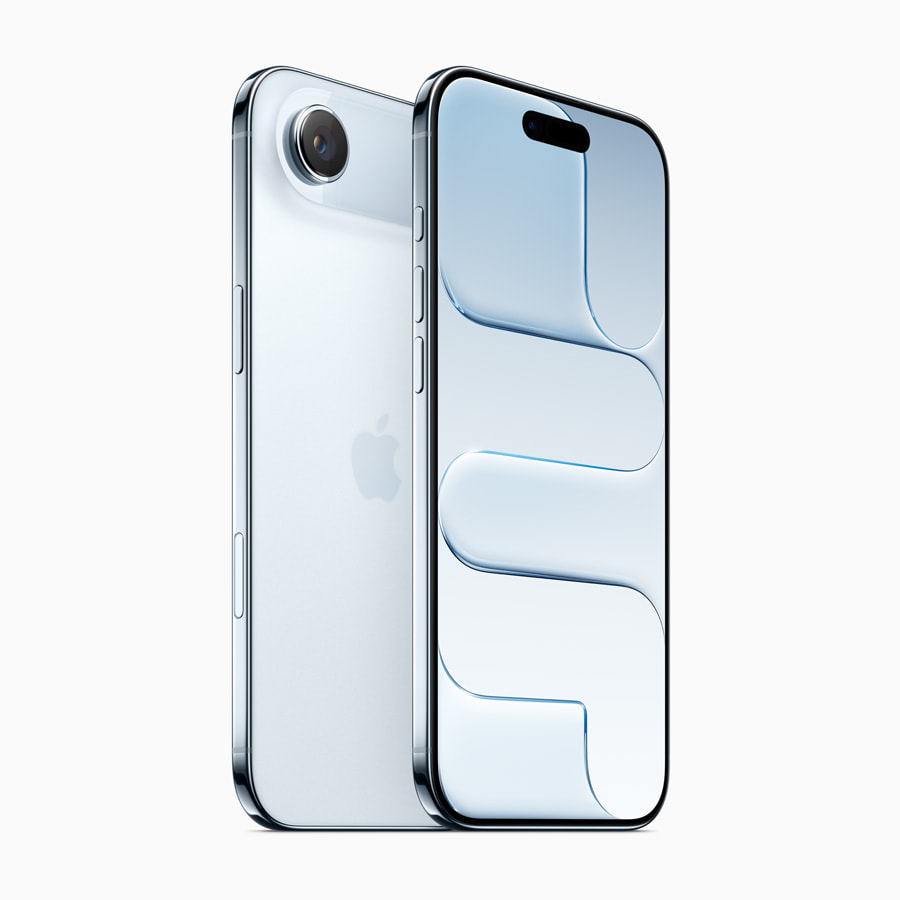
Perhaps the most controversial decision Apple made with the iPhone Air is its single 48MP rear camera. At first glance, this may seem like a downgrade compared to the multi-camera systems of other iPhones. However, Apple has optimized this single-lens system to deliver impressive results.
The 48MP camera supports 2x optical zoom and offers flexibility in focal lengths, allowing users to switch between 35mm and 26mm modes. It also provides up to 10x digital zoom, delivering decent results. While it lacks an ultra-wide lens or telephoto capabilities beyond 2x, the photos it captures are still high quality—true to Apple’s standards.
For users who rarely use multiple lenses, the single-camera system is more than enough. But those who rely heavily on varied photography options may find this limiting. Essentially, the camera makes the iPhone Air a better fit for casual shooters rather than photography enthusiasts.
Battery and Efficiency
The design adjustments in the iPhone Air, such as removing the SIM tray, have allowed Apple to optimize internal space for a larger battery. While Apple has not disclosed the exact mAh capacity, real-world usage suggests the battery life is competitive with larger Pro models.
Combined with the efficiency of the A19 Pro chip, the phone easily lasts a full day of intensive use. Charging speeds are consistent with Apple’s other recent models, and the slim form factor doesn’t compromise longevity.
Who Is the iPhone Air For?
During my week-long experience with the iPhone Air, I kept asking myself who this phone is meant for. The answer became clearer the more I used it.
This is a phone for users who value slim design, portability, and raw performance over camera versatility. Many Pro users I spoke with expressed interest in switching to the Air, citing that the three-camera setup of the Pro models often feels like overkill. For those who prioritize simplicity, speed, and elegance, the iPhone Air is an excellent choice.
iPhone Air vs Other iPhones
Here’s a quick look at how the iPhone Air stacks up against its siblings:
| Feature | iPhone Air | iPhone 17 | iPhone 17 Pro |
|---|---|---|---|
| Thickness | Slimmest iPhone ever | Standard thickness | Thicker, Pro-grade |
| Processor | A19 Pro | A18 | A19 Pro |
| Camera | Single 48MP, 2x optical zoom | Dual camera system | Triple camera system |
| Display | 6.5-inch Super Retina XDR | 6.3-inch | 6.7-inch ProMotion |
| Durability | Ceramic Shield 2, anti-bend tech | Ceramic Shield | Ceramic Shield |
| SIM | eSIM only | Nano SIM + eSIM | Nano SIM + eSIM |
Frequently Asked Questions (FAQs)
1. Is the iPhone Air durable despite being so thin?
Yes, Apple has reinforced the design with Ceramic Shield 2 and structural engineering that resists bending and breaking in normal use.
2. Does the iPhone Air support physical SIM cards?
No, the iPhone Air is Apple’s first eSIM-only phone, which contributes to its slim design.
3. How is the iPhone Air’s performance compared to the Pro models?
With the A19 Pro chip, the iPhone Air offers the same level of performance as the Pro series, making it one of the fastest iPhones yet.
4. Is the single-camera setup a major drawback?
It depends on your needs. The 48MP camera is powerful, but users who rely on ultra-wide or telephoto lenses may find it limiting.
5. Who should buy the iPhone Air?
The iPhone Air is ideal for users who want a thin, stylish, and powerful iPhone without needing the multi-camera system of the Pro models.
6. Is the iPhone Air good for gaming?
Yes, the combination of the A19 Pro chip, slim design, and excellent cooling makes it a strong gaming device.
Final Verdict: The MacBook Air of iPhones
The iPhone Air represents Apple’s vision for the future of smartphones—devices that are not only powerful but also elegant, lightweight, and easy to carry. Just as the MacBook Air transformed laptops, the iPhone Air could become the defining slim smartphone of its generation.
With its A19 Pro chip, 6.5-inch Super Retina XDR display, durability innovations, and stylish ultra-thin design, the iPhone Air balances form and function in a way few smartphones can. While the single-camera setup may divide opinions, the phone is otherwise a near-perfect blend of beauty and performance.
For users who want the slimmest, most stylish, and most powerful iPhone, the iPhone Air is a worthy upgrade—and possibly the most exciting iPhone Apple has released in years.
