
Introduction
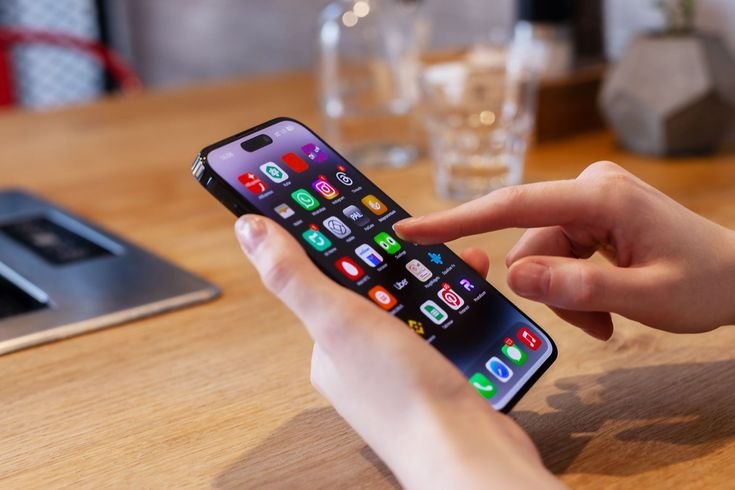
In 2025, productivity isn’t just about working harder—it’s about working smarter. Whether you’re a student managing assignments and deadlines or a professional handling projects, communication, and teams, using the best productivity apps in 2025 can dramatically increase both efficiency and work-life balance. In this post, I’ll walk you through top apps, compare features, show pricing, and help you pick tools that suit your style and needs.
-
Why productivity apps matter in 2025: hybrid work, remote study, distractions, managing more digital tools.
-
How choosing the right app(s) can make or break efficiency.
Key Criteria to Choose Apps
-
Cross-platform sync (mobile, desktop, web)
-
Offline capability
-
Good UI / UX (easy to use)
-
Integration (calendar, email, cloud storage)
-
Focus / distraction management
Top Productivity Apps of 2025
Here are some of the leading productivity apps that students and professionals should consider:
| Category | App | Primary Strength / Unique Feature |
|---|---|---|
| Task & Project Management | Todoist | Smart reminders, task prioritization, recurring tasks. MobileDataBD+2accramail.com+2 |
| Note-taking / Knowledge Base | Notion | All-in-one workspace with templates, databases, collaboration. SchoolMyKids+2Analytics Insight+2 |
| Note-taking (Handwritten / Visual) | GoodNotes | Excellent for handwriting, sketching, organizing notes; AI search enhancements. SchoolMyKids |
| Focus & Timer Tools | Forest | Pomodoro technique + gamification; “grow trees” to reward focus. MobileDataBD+2Brand Vision+2 |
| Calendar & Scheduling | Google Calendar | Integration, reminders, scheduling, and event syncing. Rev+2Course Line+2 |
| Collaboration / Communication | Slack / Microsoft Teams | Real-time communication, file sharing, remote work coordination. MobileDataBD+2accramail.com+2 |
| All-in-One Productivity Platform | ClickUp | Tasks, docs, goals, time tracking in one tool. Course Line+1 |
| Distraction & Focus Control | Freedom | Blocks distracting sites/apps across devices. Wikipedia |
| Habit & Routine Tracking | TickTick | Task + habit tracker + calendar view; good interface. SchoolMyKids+1 |
| Writing / Grammar / Content Work | Grammarly | AI-powered writing assistant; grammar, style, tone checking. accramail.com+1 |
Comparison Table: Free vs Paid Versions
| App | Free Tier Features | Paid Tier / Benefits |
|---|---|---|
| Todoist | Unlimited tasks, basic reminders | AI suggestions, advanced filters, priority support |
| Notion | Personal plan, unlimited pages, sharing | Team collaboration, version history, advanced permissions |
| Forest | Basic focus timer and tree growing | More tree species, stats, device-wide usage |
| Grammarly | Basic grammar and spelling corrections | Tone detection, premium writing styles, plagiarism check |
How Students & Professionals Use These Differently
| Role | Use-Case | Best Apps / Features |
|---|---|---|
| Student | Organize assignments, share notes, focus on study sessions | Notion, Forest, Todoist, Google Calendar |
| Professional | Manage meetings, collaborative documents, time tracking, team communication | ClickUp, Slack, Grammarly, Freedom |
Tips to Get the Most Out of Productivity Apps
-
Start small — only pick 1–2 apps initially. Too many tools can overwhelm.
-
Use templates and prebuilt workflows (many apps offer these).
-
Regular reviews — weekly check-ins to see what’s working, what isn’t.
-
Automations & integrations — connect with calendar, email, cloud storage to reduce manual work.
-
Focus on habits — apps only help if you build consistent habits around them.
FAQs
7 Frequently Asked Questions
1. What makes an app one of the best productivity apps in 2025?
It usually means strong cross-platform compatibility, AI/automation support, excellent collaboration, minimal friction UI, and a free or affordable price structure.
2. Can one app do everything, or do I need multiple?
Most people combine 2-4 apps: e.g. one for note-taking, one for task management, one for focus/distraction control. That combo often performs better than one app trying to do everything.
3. Are paid tiers worth it?
It depends. If you need advanced features like recurring reminders, project templates, AI summaries, or enhanced storage, paid tiers may be worth it. For basic needs, free tiers often suffice.
4. How do I avoid digital clutter when using many apps?
Keep a consistent naming/tagging system, prune unused apps regularly, decide one place as the “source of truth” for your tasks/notes, and integrate where possible (e.g. linking Notion & Calendar).
5. Which app is best for focus/distraction control?
Apps like Forest and Freedom are strong. They allow you to set blocks, schedule focus periods, and reduce temptation from social media or other distractions.
6. Are offline capabilities important?
Yes—especially for students or pros who travel or have unreliable internet. Apps that allow offline editing (Evernote, OneNote, Notion) offer big advantages.
7. Will these apps keep updating / be relevant long-term?
The ones in this list are already adapting. Many are embracing AI, improving collaboration, and refining UI. So yes, most are likely to stay relevant through 2025 and beyond—if they continue to innovate.
Conclusion
When handled well, tools aren’t just apps—they’re extensions of your mindset. The best productivity apps in 2025 can help you manage time, stay focused, collaborate smoothly, and reduce the stress of juggling multiple responsibilities. Whether you’re studying for exams, managing projects at work, or balancing both, the right tools can make all the difference.
Start small—pick 2 or 3 from this list that match your style, test them out, and refine your setup. Over time, you’ll build a productivity system that supports your goals, not distracts from them. Stay organized, stay motivated, and make 2025 your most productive year yet.
In 2025, the best productivity apps are those that combine flexibility, simplicity, cross-platform support, and intelligence. Whether you’re a student dealing with assignments or a professional juggling meetings and deadlines, choosing apps like Notion, Todoist, Forest, ClickUp, and Grammarly can drastically improve efficiency. Remember: the tool matters less than how consistently you use it. Pick what fits your style, set up meaningful habits, and let technology help you work smarter—not harder.
