


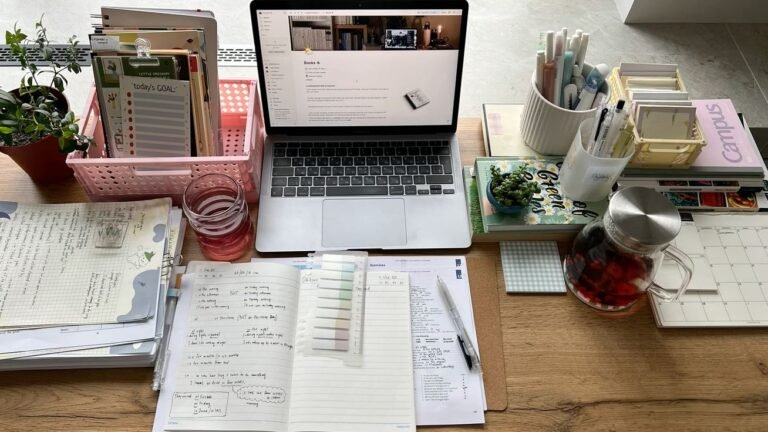
Having a proper study schedule can be a game-changer. It helps you stay productive, manage time wisely, and boost academic success. Many students face issues like procrastination, poor time management, or irregular study habits. The right study plan can fix these challenges and turn learning into a smooth process.
In this guide, you’ll learn:
-
Why a study schedule is important
-
Step-by-step methods to build an effective plan
-
Useful tools and techniques to stay consistent
-
How to balance study with rest
-
FAQs that clear common doubts
By the end, you’ll have a simple yet powerful framework to create a study schedule that suits your lifestyle.
Why You Need a Study Schedule
A study schedule is more than just a timetable—it’s a system that keeps you on track.
It helps you:
-
Manage Time Better: Assign fixed hours to each subject so nothing gets skipped.
-
Reduce Stress: Knowing what to study and when prevents last-minute panic.
-
Improve Memory: Regular, focused sessions strengthen retention.
-
Stay Productive: A clear plan reduces distractions.
-
Track Progress: Lets you measure growth and make adjustments.
💡 Tip: Don’t pack only study hours. Balance work, rest, and free time to avoid burnout.
Step 1: Define Your Study Goals
Before planning, figure out what you want to achieve. Ask yourself:
-
Which subjects/topics need the most focus?
-
What deadlines or exams are coming up?
-
How many hours can I give daily without overloading myself?
| Goal Type | Example | Suggested Time |
|---|---|---|
| Short-term | Complete weekly homework | 1–2 hrs/day |
| Medium-term | Prepare for a quiz | 3–5 hrs/week |
| Long-term | Get ready for final exams | 10–15 hrs/week |
💡 Pro Tip: Prioritize tough subjects early in your plan.
Step 2: Analyze Your Daily Time
Break down your day into slots that match your energy levels.
| Time of Day | Best For | Notes |
|---|---|---|
| 6–9 AM | High-focus subjects | Brain is fresh, fewer distractions |
| 9 AM–12 PM | Moderate study/review | Include short breaks |
| 12–1 PM | Lunch/Break | Recharge |
| 1–4 PM | Assignments or practice | Avoid heavy theory if tired |
| 4–6 PM | Light subjects, quick review | Good for refreshers |
| 6–10 PM | Revision or practice tests | Include breaks to prevent fatigue |
💡 Tip: Use the 50–10 rule—study 50 minutes, rest 10 minutes.
Step 3: Prioritize Subjects
Not all subjects need equal hours. Allocate time wisely:
| Priority Level | Time Share | Notes |
|---|---|---|
| High (difficult) | 40–50% | Do them in peak focus hours |
| Medium (average) | 30–35% | Spread across the week |
| Low (easy) | 15–20% | Keep for lighter sessions |
💡 Pro Tip: Always begin with high-priority subjects when your mind is sharpest.
Step 4: Use Study Blocks
Breaking your day into study blocks keeps you sharp and prevents fatigue.
Sample Blocks:
| Block | Duration | Activity |
|---|---|---|
| 1 | 60 min | Focus on tough subject |
| Break | 10 min | Stretch/hydrate |
| 2 | 50 min | Medium subject study |
| Break | 15 min | Walk/snack |
| 3 | 60 min | Practice or revision |
| Break | 10 min | Relax |
| 4 | 45 min | Flashcards or light review |
💡 Tip: Try the Pomodoro method—25–50 minutes of study + 5–10 minutes of rest.
Step 5: Add Regular Revision & Practice
Revising often is just as important as studying.
| Frequency | Activity |
|---|---|
| Daily | Review notes for 10–15 mins |
| Weekly | Summarize topics + practice sets |
| Monthly | Take a full mock test |
| Before Exams | Deep revision + problem-solving |
💡 Tip: Revisit weak areas multiple times before exams.
Step 6: Track & Adjust
No plan is perfect. Track your progress and tweak it as needed.
| Metric | How to Track |
|---|---|
| Hours studied | Planner/Apps |
| Tasks completed | Daily checklists |
| Subject progress | Self-tests |
| Energy levels | Note focus peaks & dips |
💡 Pro Tip: Don’t hesitate to shift blocks or add breaks if you feel drained.
Tools to Stick to Your Schedule
-
Planner Apps: Google Calendar, Notion, Todoist
-
Focus Apps: Forest, Pomofocus, BeFocused
-
Flashcards: Quizlet, Anki
-
Timers: Pomodoro timers or alarms
💡 Tip: Visual schedules keep motivation high.
FAQs
1. How long should I study at a stretch?
50–60 minutes works best. Longer sessions may tire you out.
2. How many hours a day is ideal?
4–6 hours on regular days, 8–10 during exam prep.
3. Do I need to study all subjects daily?
No. Rotate them based on importance and deadlines.
4. How to handle distractions?
Turn off devices, use focus apps, and study in quiet areas.
5. Can this help with procrastination?
Yes, structured blocks reduce overthinking and improve accountability.
6. How often should I revise?
Daily for quick reviews, weekly for deeper study, and monthly full revisions.
7. Should I change my schedule?
Yes—flexibility makes it sustainable.
Pro-Level Tips
-
Mix reading with practice questions, flashcards, and group learning.
-
Sleep well—rest boosts focus.
-
Use colors to mark subjects in your planner.
-
Set SMART goals (Specific, Measurable, Achievable, Relevant, Time-bound).
-
Do quick reviews before sleeping and right after waking.
💡 Pro Tip: Discipline + flexibility = the best study routine.
Conclusion
A study schedule isn’t just about studying more—it’s about studying smart. By defining goals, analyzing your time, prioritizing subjects, creating study blocks, and revising regularly, you’ll build a routine that actually works.
Stay consistent, track your progress, and allow adjustments when needed. With the right balance, you’ll not only score better but also feel more confident, less stressed, and more in control of your learning journey.
