


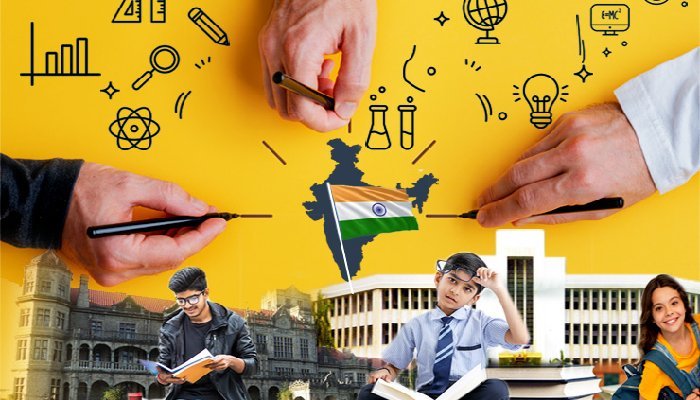
Indian education has always been a topic of national importance. From ancient Gurukul traditions to modern digital classrooms, the journey of learning in India reflects the nation’s cultural depth, diversity, and constant pursuit of progress. Today, education is more than just literacy—it is a pathway to opportunity, empowerment, and social transformation.
1. A Rich Heritage of Learning
India has one of the oldest educational traditions in the world. Ancient centers like Takshashila, Nalanda, and Vikramshila attracted learners from across Asia. The Gurukul system focused on values, life skills, discipline, and learning through experience.
This heritage still influences modern education, where holistic development is becoming more important.
2. Growth of Modern Education
The modern education system in India took shape during the 19th and 20th centuries. English-language learning, universities, and formal schooling introduced structure and accessibility.
After independence, India expanded its network of schools, colleges, and technical institutions. The establishment of IITs, IIMs, AIIMS, and national universities positioned India as a global knowledge hub.
3. The Current Landscape
The Indian education system today is vast and dynamic. It includes:
-
Government and private schools
-
CBSE, ICSE, and various state boards
-
Higher education, universities, and colleges
-
Technical and vocational training institutions
-
Ed-tech platforms and online learning tools
With over 250 million students, India has the world’s largest student population.
4. The Role of Technology in Education
Technology is reshaping the learning experience:
-
Online classes and digital boards
-
Smart classrooms
-
AI-driven personalized learning
-
Educational apps and skill-based platforms
-
Virtual labs and simulation-based learning
Digital education has increased accessibility, especially in remote areas. Students today can learn coding, robotics, and entrepreneurship at early ages.
5. NEP 2020: A Transformational Policy
The National Education Policy 2020 aims to modernize education with a more flexible, practical, and inclusive system. Key highlights include:
-
Multidisciplinary learning
-
Skill-based education
-
5+3+3+4 curriculum structure
-
Focus on early childhood education
-
Mother-tongue/home-language instruction in early years
-
Encouraging creativity and critical thinking
NEP is slowly reshaping Indian classrooms to match global standards.
6. Strengths of the Indian Education System
1. Strong Academic Foundation
Indian students develop strong math, science, and theoretical knowledge.
2. Competitive Spirit
Competitive exams like JEE, NEET, UPSC build discipline and resilience.
3. Global Recognition
Indian engineers, doctors, researchers, and entrepreneurs excel internationally.
4. Diversity of Options
From engineering to arts, commerce, law, design, and vocational training, students have countless choices.
7. Key Challenges That Remain
Despite progress, several challenges need attention:
1. Urban-Rural Divide
Infrastructure, teachers, and digital access vary significantly.
2. Rote Learning Culture
Many institutions still emphasize memorization over creativity.
3. High Competition & Pressure
Entrance exams create stress, affecting students’ mental health.
4. Skill Gap
Many graduates lack practical, job-ready skills required in modern industries.
5. Teacher Training
Quality and continuous professional development are essential for better learning outcomes.
8. The Future of Indian Education
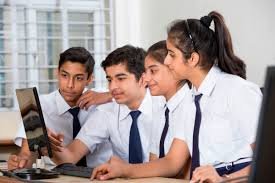
The future looks promising, driven by innovation, policy reforms, and global collaboration.
What we can expect:
-
More digital-first classrooms
-
International partnerships & student exchanges
-
Focus on life skills—communication, teamwork, leadership
-
Greater emphasis on mental health and well-being
-
Growth of vocational & skill-based education
-
AI-powered personalized learning
-
Stronger link between education and employment
With a young population and a tech-driven economy, India is poised to become a global education leader.
9. Conclusion
Indian education is in the midst of a major transformation. While challenges exist, progress is undeniable. A mix of tradition and modern innovation is redefining how the next generation learns, grows, and contributes to society.
With continued reforms, investment in technology, and focus on holistic development, the Indian education system is set to empower millions and shape the nation’s future.
